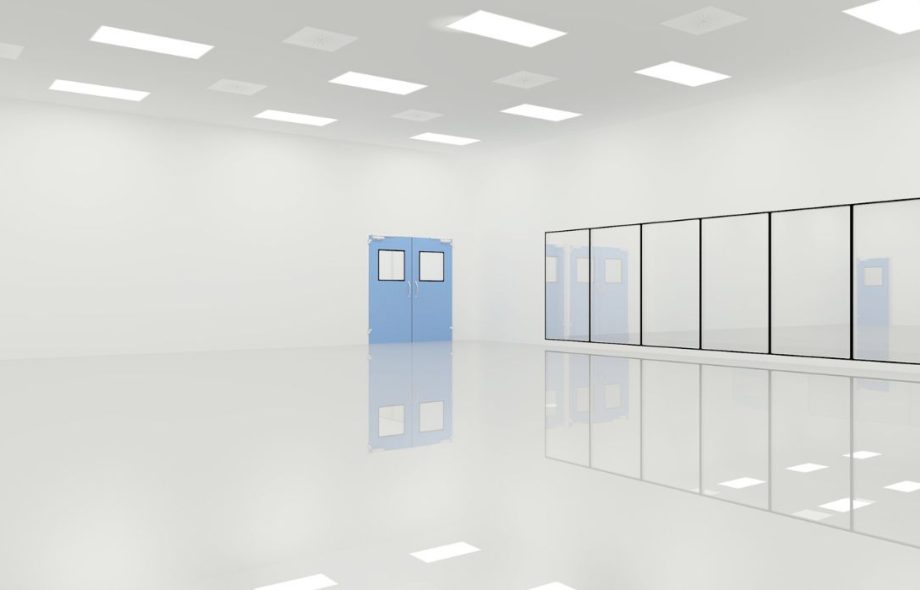
In industries where contamination control is critical, cleanrooms play an essential role in maintaining product quality, safety, and compliance. From pharmaceutical manufacturing and biotechnology labs to semiconductor facilities and healthcare environments, cleanrooms provide highly controlled spaces that protect sensitive operations from airborne particles, pollutants, and microbial contamination. Professional cleanroom design and build services ensure these environments meet strict industry standards while supporting operational efficiency and long-term reliability.
A professionally designed cleanroom is far more than just a sealed room. It is a carefully engineered environment that integrates airflow systems, filtration technology, temperature control, humidity regulation, lighting, and specialized construction materials. Every component works together to create a controlled space tailored to the needs of a specific industry or process.
The Importance of Professional Cleanroom Design
Cleanroom design requires detailed planning and technical expertise. Each facility must be customized based on the type of products being manufactured, the cleanliness classification required, and the operational workflow of the facility. Professional cleanroom designers evaluate all these factors to create a solution that meets both performance and regulatory requirements.
For example, pharmaceutical cleanrooms must comply with strict standards regarding air quality and contamination prevention. Similarly, electronics manufacturing facilities require environments with minimal particulate matter to protect delicate components from damage. A professional cleanroom design team ensures the facility is properly engineered to support these specialized requirements.
Additionally, professional design services help optimize space utilization and workflow efficiency. Proper placement of equipment, personnel pathways, and material transfer systems minimizes contamination risks while improving productivity. This strategic approach allows businesses to maintain smooth operations without compromising cleanliness standards.
Key Components of Cleanroom Construction
Cleanroom construction involves multiple specialized systems and materials designed to maintain environmental control. Professional cleanroom build services focus on integrating these elements seamlessly to create a reliable and durable facility.
Advanced Air Filtration Systems
Air filtration is one of the most important aspects of any cleanroom. High-Efficiency Particulate Air (HEPA) filters and Ultra-Low Penetration Air (ULPA) filters remove microscopic particles from the air, helping maintain strict cleanliness levels. Proper airflow design ensures contaminants are continuously removed while maintaining positive or negative air pressure where required.
Specialized Wall and Ceiling Systems
Cleanroom walls and ceilings are typically constructed using non-porous, easy-to-clean materials that resist contamination and microbial growth. Modular panel systems are commonly used because they offer flexibility, durability, and easier future expansion or modification.
Controlled Temperature and Humidity
Temperature and humidity control are essential for maintaining product integrity and employee comfort. Professional cleanroom systems use advanced HVAC technology to regulate environmental conditions consistently throughout the facility.
Cleanroom Flooring
Cleanroom flooring must be durable, seamless, and resistant to chemicals and contamination. Specialized flooring systems reduce particle generation and allow for easy cleaning and maintenance.
Lighting and Electrical Systems
Proper lighting improves visibility and operational accuracy within cleanroom environments. Cleanroom-compatible lighting fixtures are designed to minimize contamination while providing sufficient illumination for detailed work processes.
Benefits of Professional Cleanroom Design and Build Services
Choosing experienced cleanroom professionals offers significant advantages for businesses operating in contamination-sensitive industries.
Regulatory Compliance
Professional cleanroom contractors understand industry regulations and standards such as ISO classifications, GMP requirements, and FDA guidelines. They ensure the facility is designed and built to meet all applicable compliance standards, reducing the risk of violations or operational delays.
Improved Operational Efficiency
A well-designed cleanroom supports efficient workflows and minimizes unnecessary movement, reducing contamination risks and improving productivity. Professional planning ensures equipment placement and personnel traffic patterns are optimized for smooth operations.
Enhanced Product Quality
Contamination can damage products, reduce yield, and create costly recalls. Cleanroom environments help protect products throughout the manufacturing or research process, ensuring consistent quality and reliability.
Long-Term Cost Savings
Although professional cleanroom construction requires an initial investment, it often results in long-term savings. Energy-efficient systems, durable materials, and optimized layouts reduce maintenance costs and operational inefficiencies over time.
Scalability and Flexibility
Many industries experience evolving production needs. Modular cleanroom systems allow businesses to expand or modify their facilities more easily in the future. Professional builders design cleanrooms with scalability in mind, helping companies adapt to changing demands.
Industries That Rely on Cleanroom Facilities
Cleanrooms are essential across a wide range of industries where contamination control directly impacts product performance and safety.
Pharmaceutical and Biotechnology
Pharmaceutical companies rely on cleanrooms for drug manufacturing, packaging, and laboratory testing. Biotechnology facilities also require sterile environments for research, development, and production processes.
Medical Device Manufacturing
Medical device manufacturers use cleanrooms to ensure products remain free from contamination during assembly and packaging. Maintaining strict cleanliness standards is essential for patient safety and regulatory approval.
Semiconductor and Electronics Manufacturing
Electronic components are extremely sensitive to dust and airborne particles. Cleanrooms help prevent contamination that could damage circuits, chips, and other precision components.
Aerospace and Defense
Aerospace manufacturers use cleanrooms for assembling sensitive equipment and advanced technologies that require highly controlled conditions.
Food and Beverage Processing
Some food processing operations use cleanrooms to maintain hygiene standards and reduce contamination risks during packaging and production.
The Cleanroom Design and Build Process
Professional cleanroom projects typically follow a structured process to ensure successful completion.
Consultation and Planning
The process begins with understanding the client’s operational needs, industry requirements, and facility goals. Designers assess the available space, workflow requirements, and cleanliness classifications needed.
Engineering and Design
Engineers create detailed plans that include HVAC systems, filtration layouts, electrical systems, and cleanroom configurations. Every aspect of the design is developed to maximize performance and compliance.
Construction and Installation
Experienced contractors install cleanroom panels, flooring, ceilings, filtration systems, and other components according to precise specifications. Quality control measures are implemented throughout construction to maintain high standards.
Testing and Certification
Once construction is complete, the cleanroom undergoes testing and certification to verify compliance with required standards. Airflow, particle counts, pressure differentials, and environmental conditions are carefully evaluated.
Choosing the Right Cleanroom Partner
Selecting the right cleanroom design and build company is critical for project success. Businesses should look for providers with industry experience, technical expertise, and a proven track record of successful installations. A reliable cleanroom partner will guide clients through every stage of the process, from initial planning to final certification.
It is also important to choose a company that offers customized solutions rather than one-size-fits-all designs. Every industry and facility has unique requirements, and tailored cleanroom solutions provide better performance and long-term value.
Conclusion
Professional cleanroom design and build services are essential for industries where contamination control is a top priority. These specialized environments support product quality, regulatory compliance, operational efficiency, and long-term business success. By working with experienced cleanroom professionals, businesses can create controlled environments that meet strict standards while supporting future growth and innovation.
From advanced filtration systems and modular construction to customized layouts and compliance-focused engineering, professional cleanroom solutions provide the reliability and performance needed for today’s highly regulated industries. Investing in expert cleanroom design and construction is a smart decision that protects products, improves efficiency, and supports sustainable operations for years to come.
 :
https://in.pinterest.com/UltraPureTechnology/
:
https://in.pinterest.com/UltraPureTechnology/