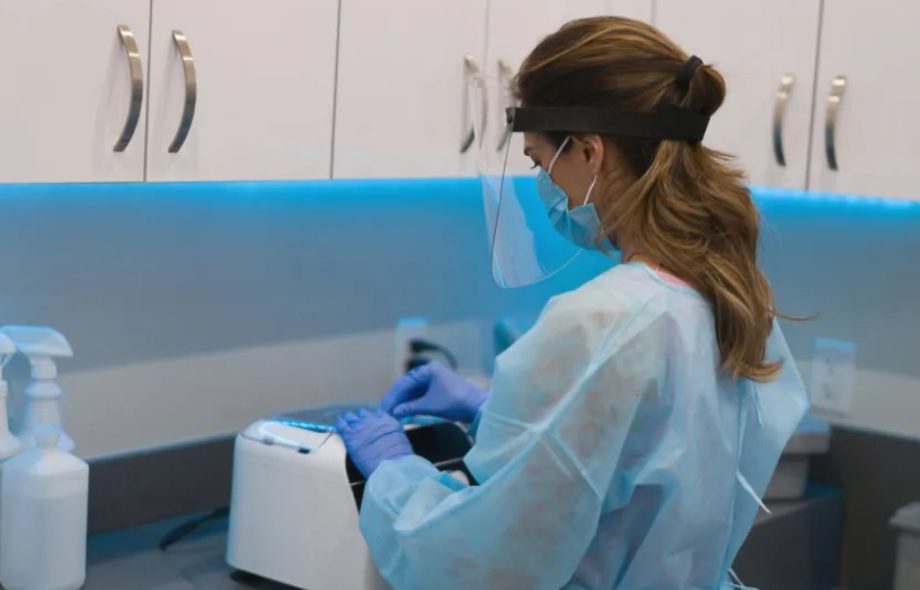
In the high-stakes environment of a sterile processing department, the efficacy of instrument decontamination is paramount. While many technicians focus heavily on the mechanical cleaning action of washer-disinfectors, the quality of the final rinse water is arguably just as critical for long-term clinical outcomes. Using water that contains excessive dissolved solids or contaminants can result in residual mineral deposits, corrosion, or biological matter remaining on surgical instruments even after the cycle is complete. Conductivity testing has emerged as a reliable, quantitative method to monitor this water quality in real-time. By measuring the electrical conductivity of the rinse water, departments can gain an objective assessment of purity.
The Science of Conductivity in Water Monitoring
At its core, conductivity testing works on the principle that pure water is an extremely poor conductor of electricity, while water containing dissolved ions—such as salts, minerals, and metallic impurities—conducts electricity quite effectively. In the context of a washer-disinfector, the final rinse is intended to remove any lingering detergent, debris, or chemicals used in the preceding stages of the cycle. If the conductivity levels are high, it indicates an influx of impurities that could interfere with the integrity of the medical devices or potentially cause patient adverse events. Technicians must be able to interpret these readings accurately against baseline standards, as even minor deviations can signal that filtration systems are failing or that the water supply itself has been compromised.
Implementing Rigorous Testing Protocols
Integrating conductivity testing into the daily workflow requires more than just owning a sensor; it requires a structured, documented protocol. Consistency is the key to effective quality assurance. Technicians should establish a regular schedule for taking samples during the final rinse stage, ensuring that these metrics are logged as part of the department’s audit trail. This data is invaluable not only for day-to-day operations but also for compliance audits, as it provides objective evidence that the facility is adhering to rigorous sterilization standards. When a conductivity reading exceeds established limits, the ability to act—identifying the source of the contamination, suspending use of the equipment, and notifying maintenance—is what differentiates a high-performing department from one at risk of failure. Professionals who have completed a sterile processing technician course are uniquely equipped to design these testing regimes, balancing the demands of high-throughput clinical schedules with the absolute necessity of rigorous sterility assurance.
The Clinical Consequences of Poor Rinse Quality
Failure to maintain optimal rinse water quality does not just damage equipment; it introduces risks directly into the operating room. Residual minerals or contaminants, often referred to as “water spotting,” can create porous surfaces on surgical steel, which are significantly harder to clean during subsequent reprocessing cycles. Over time, this compromises the efficacy of autoclaving and disinfection, creating a “biofilm-friendly” environment that could lead to surgical site infections. By utilizing conductivity testing to catch these problems before they manifest as instrument degradation, departments proactively protect patient health. It is a vital, invisible layer of the patient safety chain. The responsibility inherent in this role is substantial, and the technical training required to hold this responsibility is extensive.
Advancing Quality Through Professional Education
The field of sterile processing is constantly evolving, with new technologies and more stringent standards appearing regularly. Relying on outdated methods or “learning on the job” is no longer sufficient to meet the challenges of modern surgery and complex medical device design. Today’s technicians must be part-scientist, part-technician, and fully committed to a culture of continuous quality improvement. Whether it involves mastering advanced water analysis, understanding the nuances of enzymatic detergents, or troubleshooting sophisticated automated washer-disinfectors, formal education remains the best way to ensure competence and confidence.
 :
https://uk.pinterest.com/trainingtale_/
:
https://uk.pinterest.com/trainingtale_/